
How to Care for Kids’ Teeth
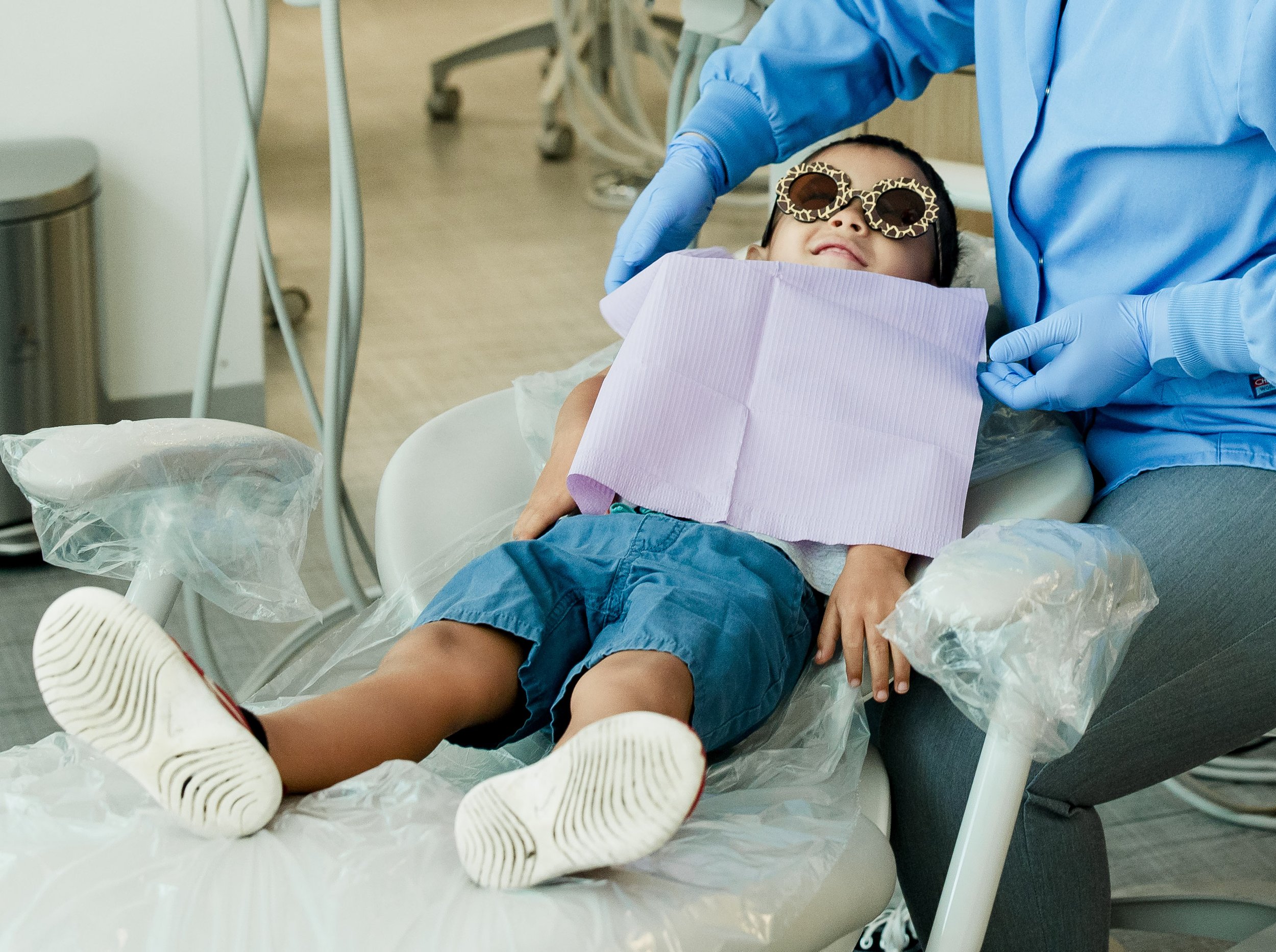
By Dr. Wanda Laszcz
Healthy teeth are more than just a healthy smile — they support eating, speaking, learning, and self‑confidence. Setting good oral habits early on prevents pain, infection, missed school days, and costly dental treatment later. Keep reading for some tips on how to keep your child’s teeth healthy!
Why Early Care Matters
Tooth decay is common and preventable. Cavities are the most common chronic disease of childhood and can begin as soon as the first teeth erupt. Untreated decay can cause pain, infection, difficulty eating and speaking, and problems at school. But cavities are preventable! Routine brushing and flossing, healthy food choices, and regular dental visits can all reduce the risk of cavities and their consequences.¹ ²
Why Baby Teeth Are Important
Baby teeth, also called primary teeth, play an important role in a child’s oral and overall development. They help children chew food properly, which supports good nutrition and digestion. Baby teeth also aid in clear speech development by providing the correct structure for tongue placement and sounds. Additionally, they hold space in the jaw for the permanent teeth, guiding them into the right position and preventing crowding or misalignment. Losing baby teeth too early due to cavities or injury can lead to future problems with chewing, speaking, and dental alignment. Caring for baby teeth sets the foundation for a healthy smile throughout life.
When to Start and When to See the Dentist
Begin oral care before the first tooth is even there. Wipe your baby’s gums with a clean, damp cloth after feedings to remove sugars and bacteria. The first tooth typically erupts around age 6 months. Start brushing with a soft infant toothbrush as soon as the first tooth appears.³
First dental visit by age one. Professional organizations recommend a child’s first dental visit by 12 months or within six months of the first tooth eruption. Early visits let the dentist assess risk, apply preventive treatments (like fluoride varnish), and coach parents on feeding and hygiene.² ⁴
Help Care for Your Child’s Teeth at Every Age
From 0 to 12 Months
Clean gums with a soft, damp cloth after feedings.
Do not put a baby to bed with milk, formula, juice, or sweetened liquids. Water is safest if a bedtime drink is needed.
Keep pacifiers clean and avoid dipping them in sweet substances.
Begin brushing with a soft infant toothbrush and a smear of fluoride toothpaste (about the size of a grain of rice) once the first tooth appears.¹ ³
Toddlers 1 to 3 Years
Use a smear or grain‑of‑rice amount of fluoride toothpaste until age 3.
Brush your child’s teeth twice daily for two minutes total.
Avoid frequent snacking on sugary foods and prolonged use of sippy cups with anything but water.
Continue regular dental checkups as recommended by the dentist.¹ ⁴
Preschoolers 3 to 6 Years
Use a pea‑sized amount of fluoride toothpaste.
Begin flossing when teeth touch. Floss holders make this step easier for parents.
Make brushing a fun part of morning and bedtime routines. Consider using songs or timers to reach two minutes.
Ages 6 to 12 Years
Supervise brushing until your child can tie their own shoes.
Use a mouthguard for sports to help prevent dental injuries. ⁵ ¹
Teens 13 to 18 Years
Continue twice‑daily brushing and daily flossing.
Keep braces and retainers clean. Your dental team will show you how to brush and floss with braces.
Counsel teens that tobacco and vaping harm oral and overall health. ¹
The Importance of Fluoride
Fluoride has long been shown to be effective in fighting and reducing the risk of cavities. Children in fluoridated communities have fewer cavities. In Cook County, our tap water contains fluoride. Use fluoridated tap or fluoridated bottled water. 1 Brushing with fluoride toothpaste and periodic professional fluoride varnish applications reduce decay. Our dental team applies fluoride varnish during 6 month cleaning visits. ⁴
Work with Your Dental Team
Choose a dentist experienced with children. At the Children’s Clinic, all of our dental members have extensive experience working with children. And, our pediatric dentists are specialists in treating children – having received additional training in child behavior, growth, and development. Your dentist will assess caries risk, make recommendations, and help create a personalized plan for your child.⁴ ⁵
Children with special health care needs. Many children with medical or developmental conditions have higher oral health risks. Coordinate care among pediatricians, dentists, and caregivers. Maintain excellent home hygiene and more frequent professional visits. ⁴ ¹
Coordinate with pediatricians. Pediatricians often apply fluoride varnish during well visits and can reinforce oral health messages. Share dental concerns with your child’s medical provider. ² ¹
Final Thoughts
Caring for children’s teeth is a long‑term investment that pays off in health, comfort, and confidence. Small daily habits — consistent brushing, smart food choices, appropriate fluoride use, and regular dental visits — dramatically reduce the risk of cavities and future dental issues. Partner with your child’s dental team to tailor prevention to your child’s needs and to catch problems early when they are easiest to treat. Start early, stay consistent, and make dental care positive! ¹ ⁴
About Dr. Wanda
Wanda Laszcz, DDS, MPH is our Oral Health Director at the IWS Children’s Clinic. She oversees dental operations and leads care delivery for our patients. A practicing dentist with more than two decades of experience, she specializes in community dentistry, access to care, and oral health equity, and holds a Master of Public Health from the University of Illinois at Chicago. Dr. Wanda enjoys running and traveling. She has run a half marathon in all 50 states. Not all of the half-marathons have gone well, but Alaska and Washington were her favorite states.
References
¹ Oral Health Tips for Children | Oral Health | CDC. https://www.cdc.gov/oral-health/prevention/oral-health-tips-for-children.html
² Maintaining and Improving the Oral Health of Young Children. https://publications.aap.org/pediatrics/article/151/1/e2022060417/190307/Maintaining-and-Improving-the-Oral-Health-of-Young
³Keeping Your Child's Teeth Healthy | Nemours KidsHealth. https://kidshealth.org/en/parents/healthy.html
⁴Caries-risk Assessment and Management for Infants, Children, and ... - AAPD. https://www.aapd.org/research/oral-health-policies--recommendations/caries-risk-assessment-and-management-for-infants-children-and-adolescents/
⁵ Clinical Practice Guidelines and Dental Evidence - ADA. https://www.ada.org/resources/research/science/evidence-based-dental-researchch